Introduction
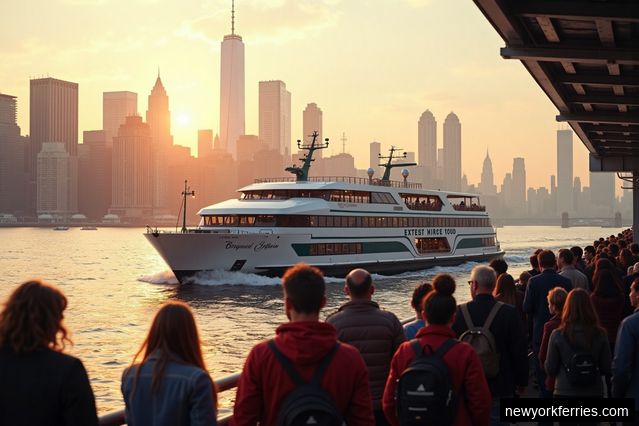
New York City, a bustling metropolis renowned for its iconic skyline, diverse culture, and dense population, is also celebrated for its complex and extensive transportation system. Among the myriad options for navigating this vibrant city, the ferry services stand out as a unique and scenic mode of transport, offering both residents and tourists alike an alternative perspective of the Big Apple from its waterways. This comprehensive guide aims to delve into the intricacies of the ferry services across New York City, highlighting their significance, routes, benefits, and how they seamlessly integrate with other forms of public transportation. By exploring the various aspects of these ferry services, from their historical evolution to the modern conveniences they offer today, we invite readers to discover a new way to experience and traverse New York City, one that combines the practicality of urban transport with the pleasure of sightseeing.
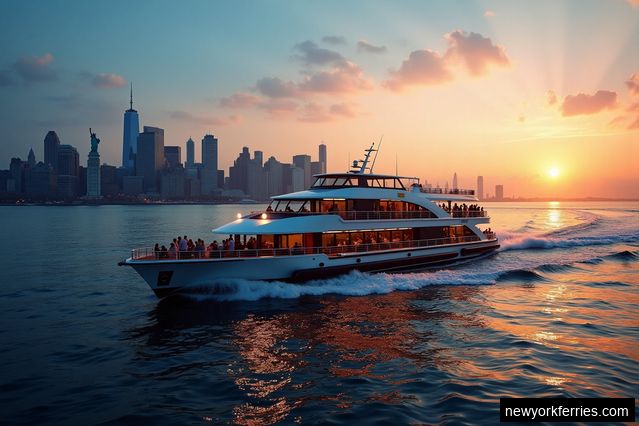
Ferry services in New York City are not only a testament to the city's rich maritime history but also a reflection of its ongoing commitment to providing accessible, environmentally friendly, and efficient transportation solutions. With routes that span the East River, Hudson River, and beyond, these ferries connect boroughs, communities, and landmarks, offering unique views and a serene escape from the bustling city streets. This guide will explore the key ferry services operating in New York City, including the Staten Island Ferry, NY Waterway, and NYC Ferry, among others. We'll provide an overview of their routes, schedules, and fares, as well as tips for first-time riders. Additionally, we will examine the impact of these services on local communities and the city's tourism industry, providing a well-rounded understanding of their value and appeal.
The Staten Island Ferry: A New York Icon
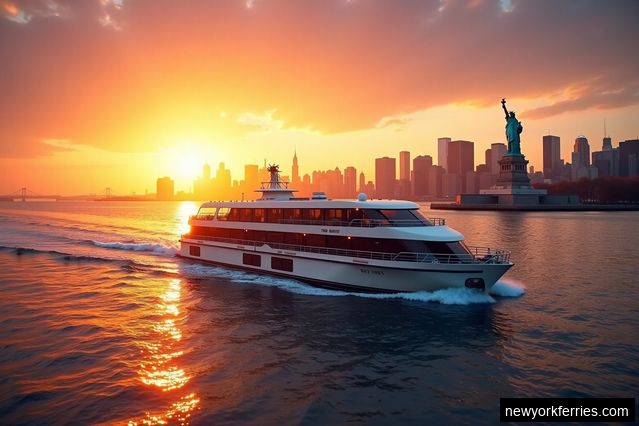
The Staten Island Ferry, a staple in New York City's transportation network, serves as a lifeline for Staten Island residents commuting to Manhattan. Operating 24/7, this free service transports over 22 million people annually across the New York Harbor, offering breathtaking views of the Statue of Liberty, Ellis Island, and the Manhattan skyline. Beyond its practical purpose, the ferry has become an iconic symbol of the city, featured in numerous films and TV shows. For tourists, a ride on the Staten Island Ferry is a must-do, providing a memorable experience of New York City's maritime landscape without the cost of a sightseeing cruise.
The operation of the Staten Island Ferry is a marvel of efficiency and reliability, with boats departing every 15 to 20 minutes during peak hours. The fleet includes the latest class of ferries, such as the Ollis Class, which offers enhanced passenger amenities and environmental benefits, such as reduced emissions and improved energy efficiency. This service not only exemplifies the city's commitment to sustainable transportation but also enhances the quality of life for its residents by providing a dependable and enjoyable commute.
NYC Ferry: Connecting the Boroughs
Launched in 2017, the NYC Ferry system has rapidly become a favored mode of transport among New Yorkers, connecting neighborhoods across the boroughs that were previously underserved by traditional public transit. With its expanding network of routes, including the East River, Astoria, South Brooklyn, and Soundview lines, the NYC Ferry serves as a critical link for commuters, offering an affordable and scenic alternative to subways and buses. A single ride costs the same as a subway fare, making it an accessible option for daily commuters and leisure riders alike.
The success of the NYC Ferry is not just in its ability to provide efficient transport but also in how it has revitalized waterfront communities. Waterfront parks, new residential developments, and local businesses have flourished along the ferry routes, demonstrating the transformative impact of integrating ferry services into the city's transportation ecosystem. The NYC Ferry's commitment to expanding its fleet with larger vessels and enhancing dock facilities is a testament to its popularity and the city's investment in sustainable, growth-friendly transit solutions.
NY Waterway: Bridging New York and New Jersey
While the Staten Island Ferry and NYC Ferry primarily serve New York City's boroughs, the NY Waterway operates routes that bridge the gap between New York City and New Jersey, providing a vital transit link for commuters and visitors traveling across the Hudson River. Established in 1986, NY Waterway has grown to become the largest privately operated commuter ferry service in the United States, offering routes that connect Manhattan with various New Jersey waterfront destinations, including Hoboken, Weehawken, and Jersey City.
The appeal of NY Waterway lies in its speed, convenience, and the panoramic views it offers of the New York City skyline. With a fleet of high-speed ferries and a well-coordinated schedule that includes frequent rush-hour services, NY Waterway has become an indispensable part of the region's transportation network. Moreover, the ferry service prides itself on its resilience and adaptability, having played a crucial role in emergency transportation during events like the 9/11 attacks and Superstorm Sandy, highlighting its importance beyond daily commuting.
Integrating Ferry Services with Other Modes of Transportation
A key factor in the success of ferry services in New York City is their integration with other modes of public transportation, such as subways, buses, and bike-share programs. This interconnectedness enables seamless travel across the city, enhancing the overall efficiency and convenience of the urban transportation system. For instance, many ferry terminals are located near subway stations or bus stops, and some ferry services offer free transfers to certain subway lines or bus routes, making it easier for passengers to plan their journeys and reach their destinations with minimal hassle.
Moreover, the integration of ferry services with the city's biking infrastructure, through features like on-board bike racks and proximity to bike-share stations, supports the growth of multimodal transportation options that are sustainable and health-conscious. This holistic approach to urban mobility not only improves access to transportation but also contributes to the reduction of traffic congestion and pollution, aligning with broader environmental goals and improving the quality of urban life for New Yorkers.
Conclusion
New York City's ferry services offer a unique and invaluable component of the city's transportation network, providing efficient, scenic, and enjoyable ways to navigate the urban landscape. From the historic Staten Island Ferry to the burgeoning NYC Ferry system and the vital NY Waterway, these services not only facilitate daily commutes but also enhance the city's connectivity, support local economies, and contribute to environmental sustainability. As New York continues to evolve, the role of ferry services in its transportation ecosystem will undoubtedly grow, reinforcing their significance as a dynamic and integral part of city life.
For residents and tourists alike, understanding and utilizing these ferry services can greatly enrich the New York experience, offering not just a means of transit but a gateway to exploring the city's diverse boroughs, waterfronts, and landmarks. As we look to the future, the continued expansion and integration of ferry services with other forms of transportation will be key to achieving a more connected, sustainable, and vibrant New York City for all.