Introduction
Ferry transportation, a vital cog in the wheel of New York's bustling transit system, offers more than just a scenic route across the city's expansive waterways. It serves as a lifeline for countless local communities, bolstering economies and fostering connections between the city's diverse boroughs. This article delves into the profound economic impact ferry transportation has on these communities, dissecting its role in job creation, business growth, and urban development. By examining specific examples, statistics, and expert perspectives, we uncover the multifaceted benefits and challenges of this essential mode of transport. The exploration of ferry transportation's economic significance is not just an academic exercise but a narrative about improving urban life through sustainable and inclusive transit solutions.
To fully appreciate the economic tapestry woven by New York's ferry services, we embark on a journey through its various contributions to local economies. From enhancing access to job markets and stimulating tourism to promoting real estate development and supporting small businesses, the ripple effects of ferry operations are vast and varied. This article presents a comprehensive analysis, structured around key areas such as employment generation, tourism enhancement, real estate impacts, and support for local enterprises. Through this exploration, we aim to provide a panoramic view of the economic landscape sculpted by ferry transportation, offering insights and actionable takeaways for policymakers, businesses, and community members alike.
Employment Generation and Economic Activity
Ferry transportation acts as a catalyst for employment and economic activity within local New York communities. The direct employment opportunities created by the ferry industry encompass a wide range of roles, from crew members and maintenance staff to customer service representatives and administrative personnel. For instance, the expansion of the NYC Ferry service has been a significant source of job creation, with the system requiring a substantial workforce to operate its growing fleet of vessels and network of routes. According to a report by the New York City Economic Development Corporation (NYCEDC), the launch of the NYC Ferry service generated hundreds of jobs, contributing to the city's broader economic development goals.
Beyond direct employment, ferry services indirectly support a myriad of other industries, including tourism, hospitality, and retail. Tourists drawn to the unique experience of ferry travel boost local businesses located near ferry terminals, such as restaurants, cafes, and souvenir shops. A study on the economic impact of ferry services in New York highlighted that areas with ferry access witnessed an increase in foot traffic, leading to higher sales volumes for nearby businesses. This symbiotic relationship between ferry services and local commerce underscores the broader economic benefits of integrating ferry transportation into the city's transit infrastructure.
Enhancing Tourism and Cultural Exchange
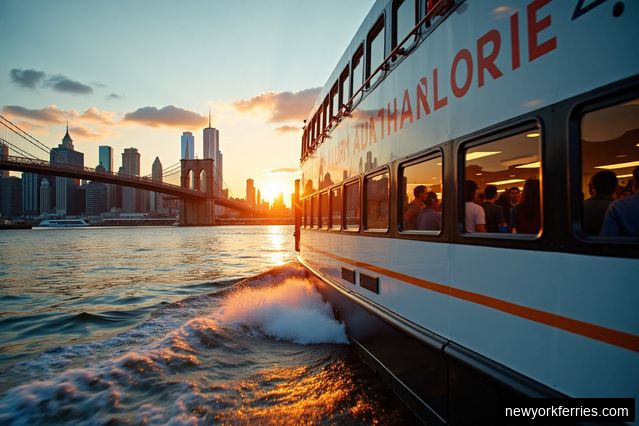
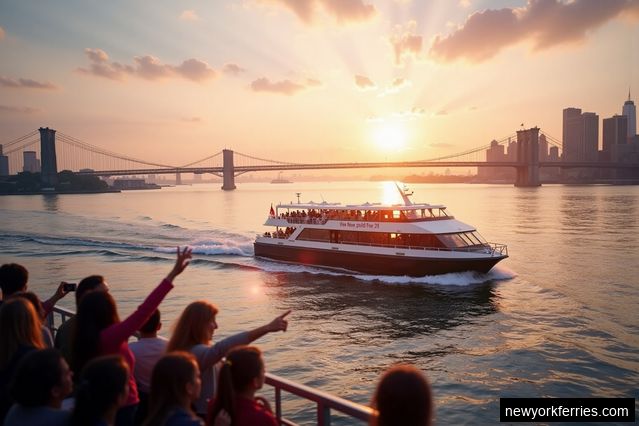
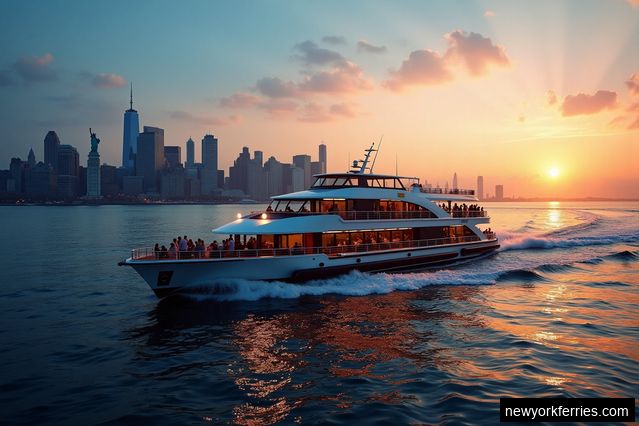
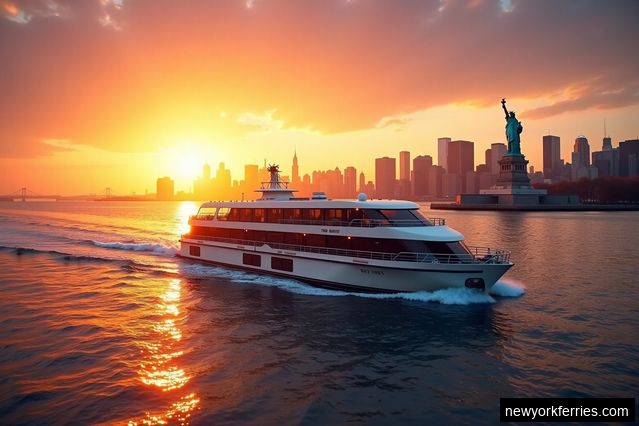
Ferry transportation not only facilitates economic growth but also serves as a bridge for tourism and cultural exchange. By connecting disparate parts of the city, ferries enable tourists and residents alike to explore New York's rich tapestry of neighborhoods, landmarks, and cultural institutions. The iconic Staten Island Ferry, for example, offers unparalleled views of the Statue of Liberty and Ellis Island, attracting millions of visitors annually. This influx of tourists generates substantial revenue for local attractions, restaurants, and other businesses, contributing to the vibrancy and economic health of the communities served by ferry routes.
Moreover, special ferry services to destinations such as Governors Island and the Rockaways further exemplify the role of ferries in enhancing tourism. These routes not only provide critical access to recreational areas and cultural events but also stimulate economic activity in these locales. For instance, the seasonal ferry to Governors Island has been instrumental in transforming the island into a thriving hub for arts, culture, and leisure, supporting local artisans, performers, and vendors. Through these examples, we see how ferry transportation enriches the cultural fabric of New York City while simultaneously driving economic growth.
Real Estate Development and Urban Transformation
The presence of ferry services can significantly influence real estate markets and urban development patterns. Areas adjacent to ferry terminals often experience enhanced property values, as improved accessibility makes them more attractive to residents, businesses, and investors. The development of the NYC Ferry service, for example, has sparked interest in waterfront properties, leading to increased investment in residential and commercial projects. This phenomenon has the potential to revitalize previously underutilized or neglected waterfront areas, transforming them into bustling communities with vibrant mixed-use developments.
Furthermore, the integration of ferry transportation into urban planning initiatives can facilitate sustainable development and enhance the quality of life for city residents. By offering an alternative to road-based transport, ferries help reduce traffic congestion and pollution, contributing to cleaner air and a more livable urban environment. The strategic placement of ferry terminals can also encourage the development of pedestrian-friendly spaces, public parks, and community facilities, fostering a sense of place and community cohesion. Thus, the impact of ferry services on real estate and urban development extends beyond economic metrics, encompassing environmental and social dimensions as well.
Supporting Local Businesses and Enterprises
The economic impact of ferry transportation on local businesses is both direct and profound. By improving accessibility to different parts of the city, ferries enable small businesses to reach a broader customer base, enhancing their growth and sustainability. Local enterprises, from cafes and boutiques to galleries and service providers, benefit from the increased foot traffic and visibility that ferry terminals bring. In addition, ferry services often collaborate with local businesses to offer promotions or joint tickets, further driving customer engagement and sales.
Case studies from various New York communities underscore the positive effects of ferry access on local commerce. In neighborhoods like Red Hook, Brooklyn, and Astoria, Queens, the introduction of ferry routes has been linked to a surge in local business activity, attracting new investments and fostering entrepreneurial ventures. These developments not only bolster the local economy but also enhance the community's cultural and social landscape, creating vibrant, thriving neighborhoods. Through these examples, it becomes evident that ferry transportation is a key driver of economic vitality and community well-being in New York City.
Conclusion
The economic impact of ferry transportation on local New York communities is both significant and multifaceted. By fostering job creation, enhancing tourism, driving real estate development, and supporting local businesses, ferries contribute to the economic vitality and quality of life in the city's diverse neighborhoods. The examples and statistics explored in this article underscore the value of integrating ferry services into New York's broader transit and urban development strategies. As the city continues to grow and evolve, the role of ferry transportation in shaping its economic landscape cannot be overstated.
For policymakers, urban planners, and community advocates, the insights provided here offer a foundation for leveraging ferry transportation as a tool for economic development and urban renewal. By prioritizing investments in ferry infrastructure and services, New York can enhance its global competitiveness, foster sustainable development, and build more connected, resilient communities. The journey of exploring and expanding the city's ferry services is not just about navigating its waterways but charting a course toward a more prosperous and inclusive future for all New Yorkers.