Introduction
Welcome to the world of sustainable travel, where we prioritize the health of our planet while catering to our mobility needs. In the bustling city of New York, one mode of transport stands out for its eco-friendly nature: the humble ferry. As we strive to minimize our carbon footprint, ferries have re-emerged as a sustainable, effective, and surprisingly poetic way to traverse the city's vast waterways. They have become an integral part of the city's transportation network, offering a greener alternative to conventional commuting methods.
In this comprehensive guide, we will delve into the role of ferries in promoting sustainable travel in New York. We will highlight the environmental benefits, examine the economic implications, and explore the overall impact on the city's commuting culture. With insights from industry experts and data-driven evidence, we aim to provide an all-encompassing view of this eco-friendly commuting option.
As we delve deeper into the realm of sustainable travel in this introduction, let's explore the various facets that make it a transformative experience. From eco-friendly accommodations that minimize carbon footprints to engaging in community-based tourism initiatives that empower local populations, sustainable travel goes beyond just being a trend—it's a conscious choice towards a greener future. By immersing ourselves in the local culture, supporting small businesses, and participating in conservation efforts, we not only reduce our environmental impact but also contribute positively to the destinations we visit. This introduction sets the stage for a journey where every travel decision becomes a step towards preserving our planet for future generations.
Environmental Benefits of Ferry Commuting
Ferries offer significant environmental advantages over other forms of transport. Firstly, they emit fewer greenhouse gases per passenger-mile compared to cars and buses. A study by the Maritime Administration (MARAD) showed that a typical ferry emits about 0.12 pounds of CO2 per passenger-mile, while a car emits approximately 0.96 pounds. This constitutes an almost 90% reduction in carbon emissions, making ferries the greener choice for commuters.
In addition, ferries contribute to reducing traffic congestion on the city's roads, subsequently lowering air and noise pollution. The New York City Department of Transportation (NYCDOT) reports that the Staten Island Ferry alone transports approximately 22 million people annually, equal to nearly half a million cars removed from the city's streets. This significantly improves the city's air quality and decreases noise pollution levels.
In addition to reducing carbon emissions, ferry commuting also helps alleviate traffic congestion on roads and highways. By providing an alternative mode of transportation, ferries contribute to a more sustainable and efficient urban transport system. This not only benefits the environment but also improves overall air quality and reduces the need for extensive road infrastructure. Furthermore, ferry terminals are often located in strategic waterfront areas, promoting urban development and revitalization while offering passengers scenic and enjoyable commutes. These holistic benefits make ferry commuting a compelling choice for environmentally-conscious individuals looking to reduce their carbon footprint and support eco-friendly transportation initiatives.
Economic Implications of Ferry Commuting
Beyond their environmental advantages, ferries also offer economic benefits. They provide cost-effective commuting options, especially for long-distance travelers. According to the American Public Transportation Association (APTA), ferry fares are often cheaper than car ownership costs, with the average American household saving around $9,700 annually by using public transportation like ferries.
Moreover, the ferry industry supports job creation and contributes to local economies. The Economic Development Corporation (EDC) of New York stated that the city's ferry system has created over 250 jobs and generated $150 million in economic output since its inception in 2017.
In addition to cost-effectiveness, the economic implications of ferry commuting extend to job creation and local economies. Ferry services often stimulate employment opportunities both directly, through crew members and staff, and indirectly, by supporting tourism and local businesses. For instance, the introduction of a new ferry route can lead to increased foot traffic in nearby restaurants, shops, and attractions, boosting revenue for the community. Furthermore, by facilitating transportation of goods and services, ferries contribute to the growth of regional trade and commerce, fostering economic development along the waterfront and beyond.
Cultural Impact of Ferries on NYC Commuting
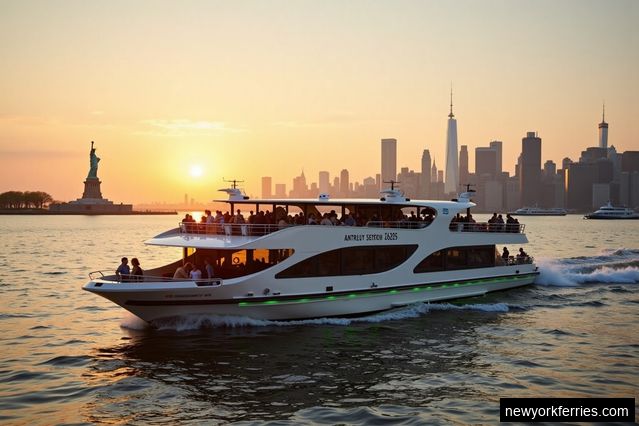
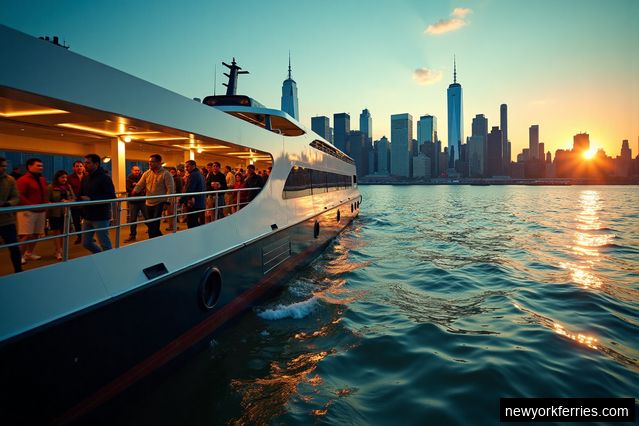
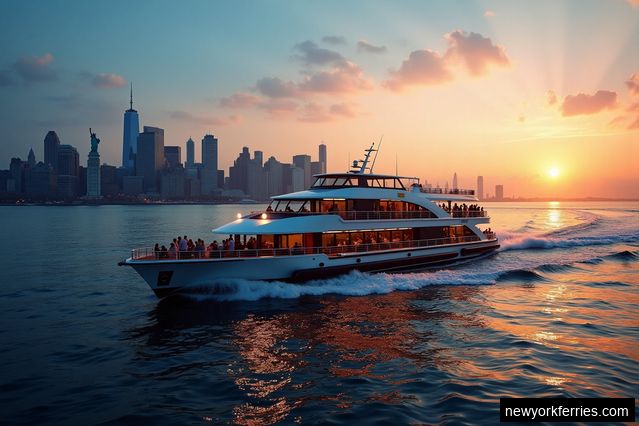
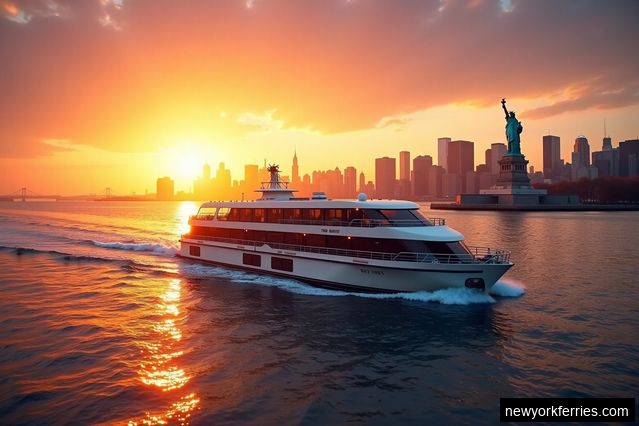
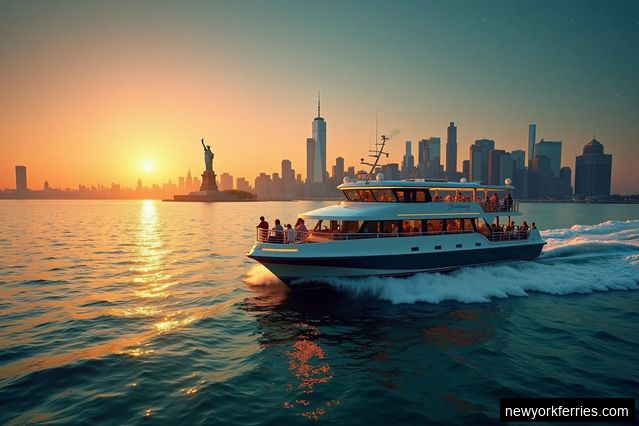
The ferry system has not only reshaped the city's commuting landscape but also impacted its cultural fabric. Ferries have become symbolic of a sustainable lifestyle, driving a cultural shift towards more eco-conscious commuting. They also offer a unique vantage point of the city's iconic skyline, making every journey a scenic experience. This has attracted tourists and locals alike, integrating the ferry system into the city's cultural identity.
Furthermore, the ferry system has fostered community building by providing shared spaces for commuters. Many New Yorkers view their daily ferry commute as an enjoyable social experience, fostering a sense of camaraderie among passengers.
The cultural impact of ferries on NYC commuting goes beyond mere transportation shifts. These vessels serve as floating conduits of connectivity, fostering a unique sense of community among riders. The shared experience of gliding across the water, with the iconic skyline as a backdrop, creates a bond among passengers that transcends typical commuter interactions. Moreover, the presence of ferries has spurred the revitalization of waterfront areas, leading to the emergence of vibrant hubs where art, music, and local cuisine flourish. From waterfront festivals to art installations along ferry routes, these maritime modes of transport have truly woven themselves into the cultural fabric of the city.
Conclusion
In conclusion, the role of ferries in sustainable travel and as a part of New York's commuting culture cannot be overstated. They offer an eco-friendly alternative to traditional transportation methods, reducing greenhouse gas emissions and alleviating traffic congestion. Economically, they provide cost-saving commuting options and bolster the local economy. Culturally, they symbolize a sustainable lifestyle and promote community building.
As we move towards a future where sustainability is paramount, the importance of ferries in New York's commuting landscape will continue to rise. For the environmentally-conscious New Yorker, the choice is clear: when it comes to green commuting, ferries are the way to go.
As we wrap up this discussion on the significance of ferries in sustainable travel and urban commuting, it's important to highlight the evolving technology that is reshaping the ferry industry. Innovations such as electric and hybrid ferries are revolutionizing the way we think about eco-friendly transportation options. These advancements not only reduce carbon emissions but also offer a more efficient and cost-effective mode of travel for commuters in bustling cities like New York. Furthermore, the integration of smart ticketing systems and digital platforms is enhancing the overall passenger experience, making ferry travel more convenient and accessible than ever before.